Repair or replace your windows? The plain-English guide
The single most useful question to ask about a faulty window is not “how much will new ones cost?” — it is “does this actually need replacing at all?” Plenty of window problems are a quick, inexpensive repair. Others are the point where a replacement genuinely pays off. Here is how to tell them apart.
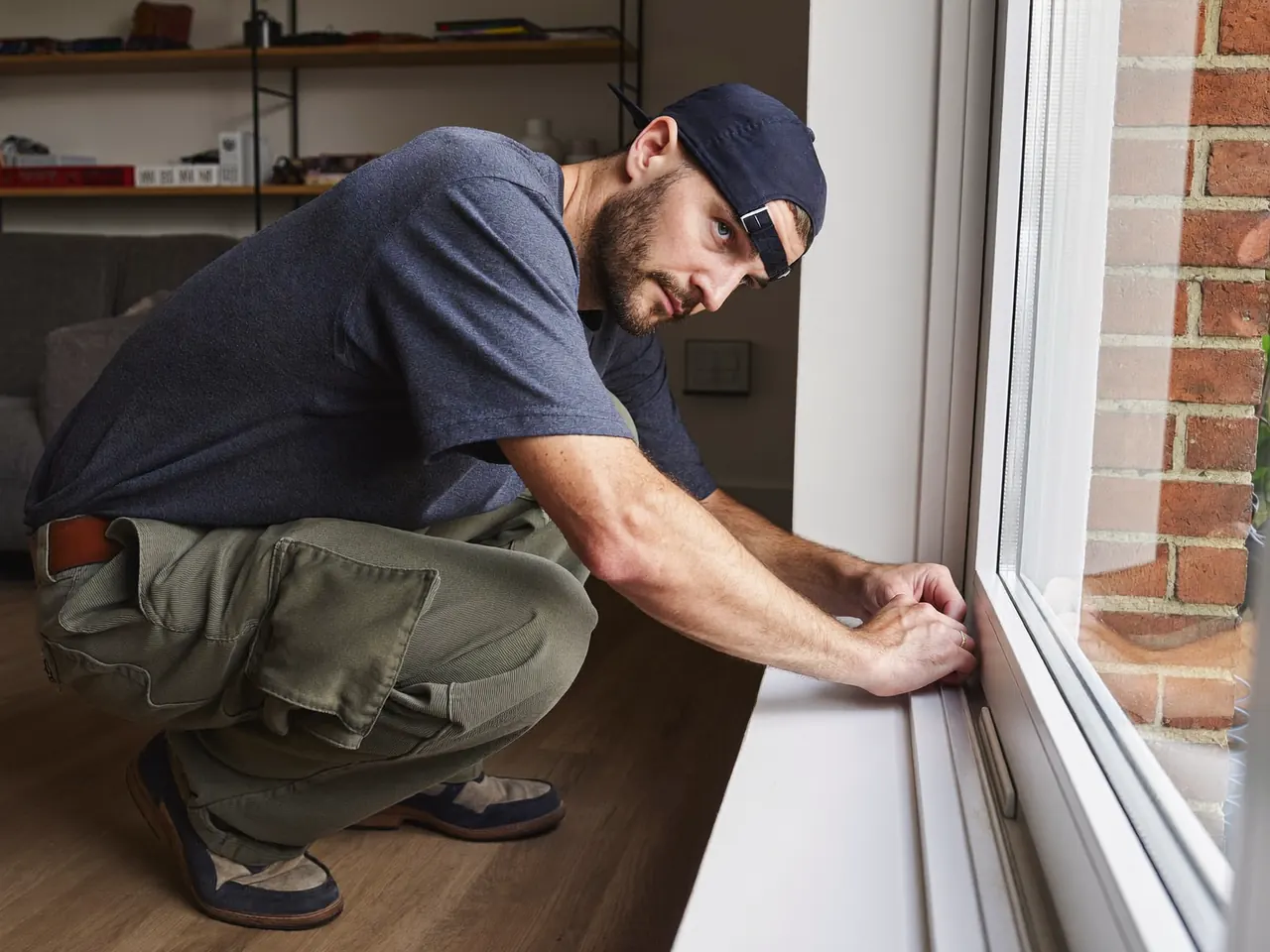
When a repair is usually the right call
If the frame is sound and only the glass or the hardware has failed, a repair is normally quicker, cheaper and less disruptive. That covers a surprising number of everyday faults:
- Only one or two panes have fogged — see misted double glazing, where the sealed unit is often swapped and the frame stays put.
- A handle, lock or hinge is stiff, loose or broken — most window handle, lock and hinge repairs are a single-visit part swap.
- A draught traces back to a perished seal or gasket, as covered in draughty window fixes.
- Rot is confined to one corner or a short run of an otherwise solid timber frame.
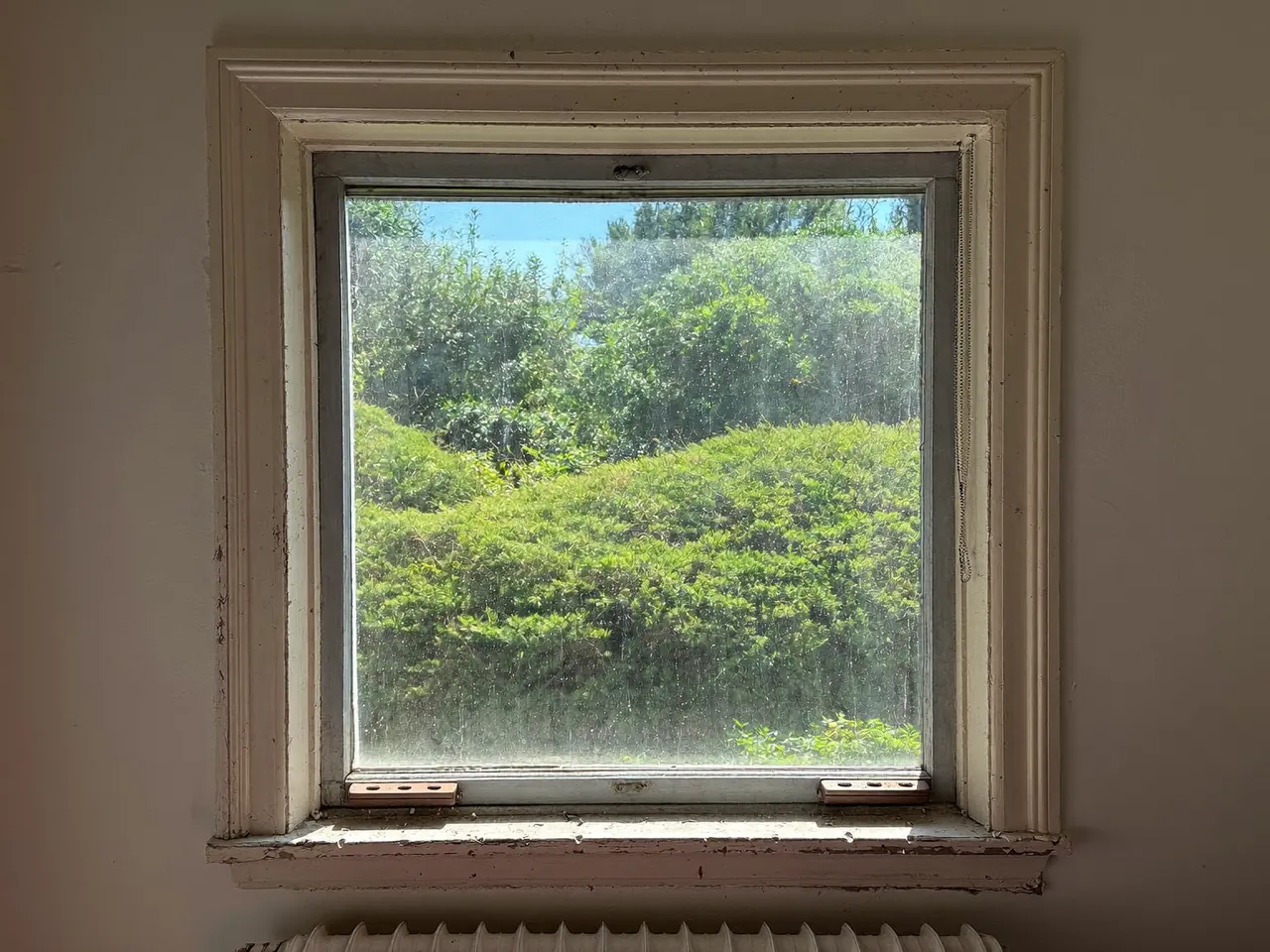
When replacement is the smarter choice
Replacement starts to make sense when the problem is the window itself, not one worn part. The clearer signals include:
- Timber that is widely soft, dark or crumbling — see rotten window frames.
- Frames that have warped so windows will not close, lock or seal.
- Original single glazing, or very early double glazing that is cold and constantly condensing.
- The same repairs recurring across several windows, so you keep paying to patch rather than solve.
If several of those ring true, our checklist of signs you need new windows goes through them in more detail. And if cost is the sticking point, help with the cost of new windows explains the funding and contribution options that may be available, subject to eligibility and a home survey.
Want an honest answer for your windows?
A local installer will look at yours and tell you which faults are a repair and which are worth replacing — free, no obligation, no hard sell.
Get my free assessment →Three questions to weigh it up
When you are on the fence, these three questions usually settle it. How many windows are affected? One faulty unit points to repair; the same fault across the house points to replacement. Is it the glass and hardware, or the frame? Glass and fittings are replaceable parts; a failing frame is the window. How old is the glazing? Modern, efficient glazing that develops a single fault is worth repairing; tired, cold, original glazing may be worth upgrading. According to the Energy Saving Trust, replacing old, inefficient windows can cut the heat a home loses, though the benefit depends on your property.
Whichever way it goes, it is worth getting quotes to compare. You can look at funded window and door packages, get like-for-like quotes for your existing openings, or browse replacement options for every home.
Start with your symptom
- Misted double glazing — fog and haze between the panes.
- Condensation inside windows — surface damp or trapped moisture.
- Cracked or blown panes — damaged or failed glass.
- Window Help home — diagnose any window problem from the start.