Condensation inside windows: what it means and what to do
Condensation on and around your windows is one of the most common complaints in British homes, especially through autumn and winter. The fix depends entirely on where the moisture is — and telling the two types apart takes only a moment.
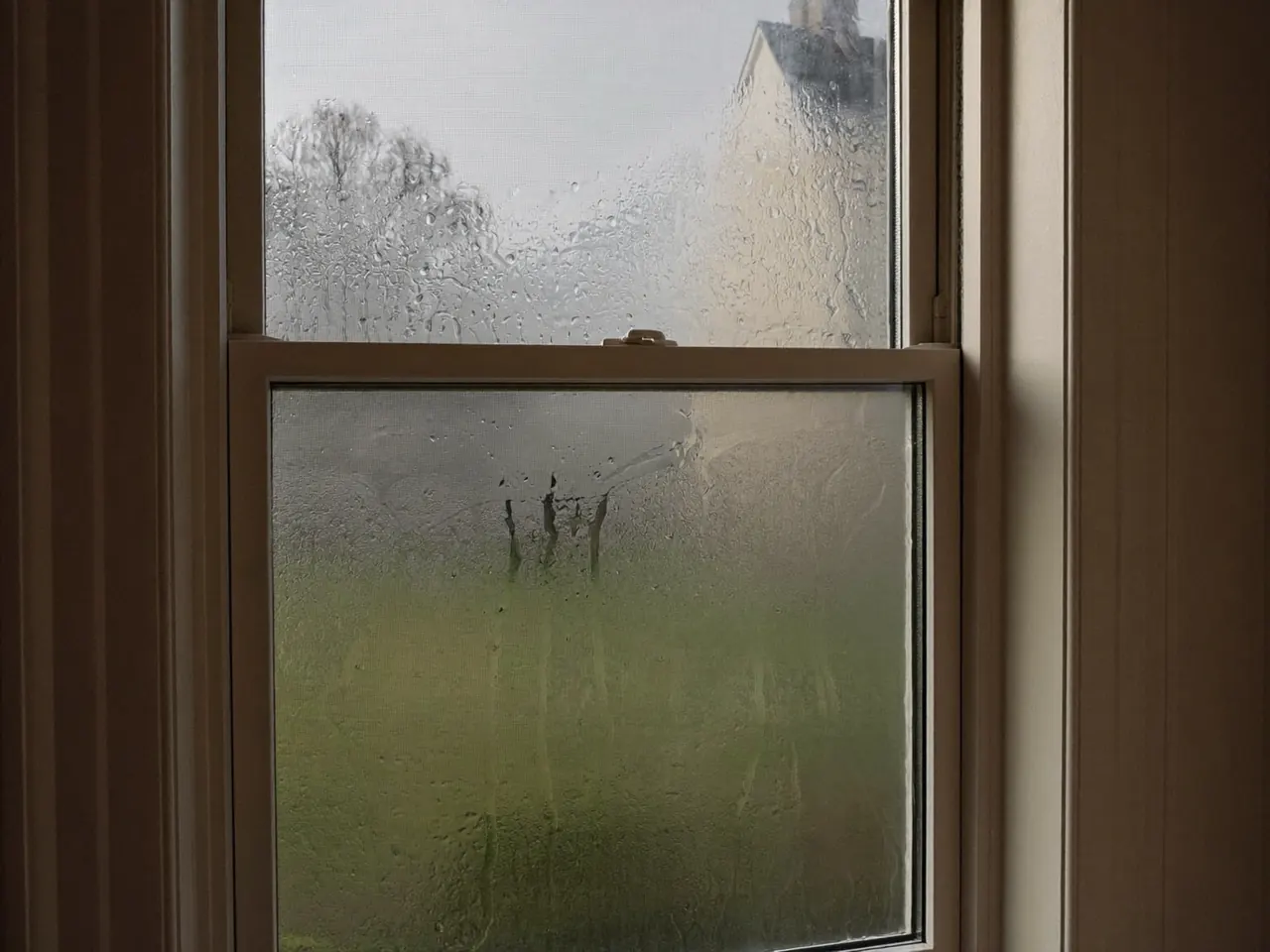
Surface condensation vs condensation between the glass
There are two very different problems that people describe as “condensation inside the window”, and the first job is to work out which you have. Run your finger down the misted area:
- If you can wipe it away, it is surface condensation. The moisture is on the room-side face of the glass. This is caused by warm, humid indoor air meeting the cold glass — not by a fault in the window itself.
- If you cannot wipe it away, it is between the panes. Moisture trapped inside a sealed unit means the seal has failed. That is the same fault covered in our guide to misted double glazing, and it is a glass issue, not a damp-air issue.
Why surface condensation happens
Everyday living puts a surprising amount of water into the air: cooking, showering, drying washing indoors and even breathing all add moisture. When that warm, damp air touches a cold surface — and single glazing or older double glazing is often the coldest surface in the room — it cools and releases the water as droplets. Bedrooms and kitchens are the usual hotspots, and mornings are the usual time.
Left unchecked, persistent surface condensation can lead to black mould on the reveals and, over time, damage to timber window frames. So while it is not a fault with the glass, it is worth taking seriously.
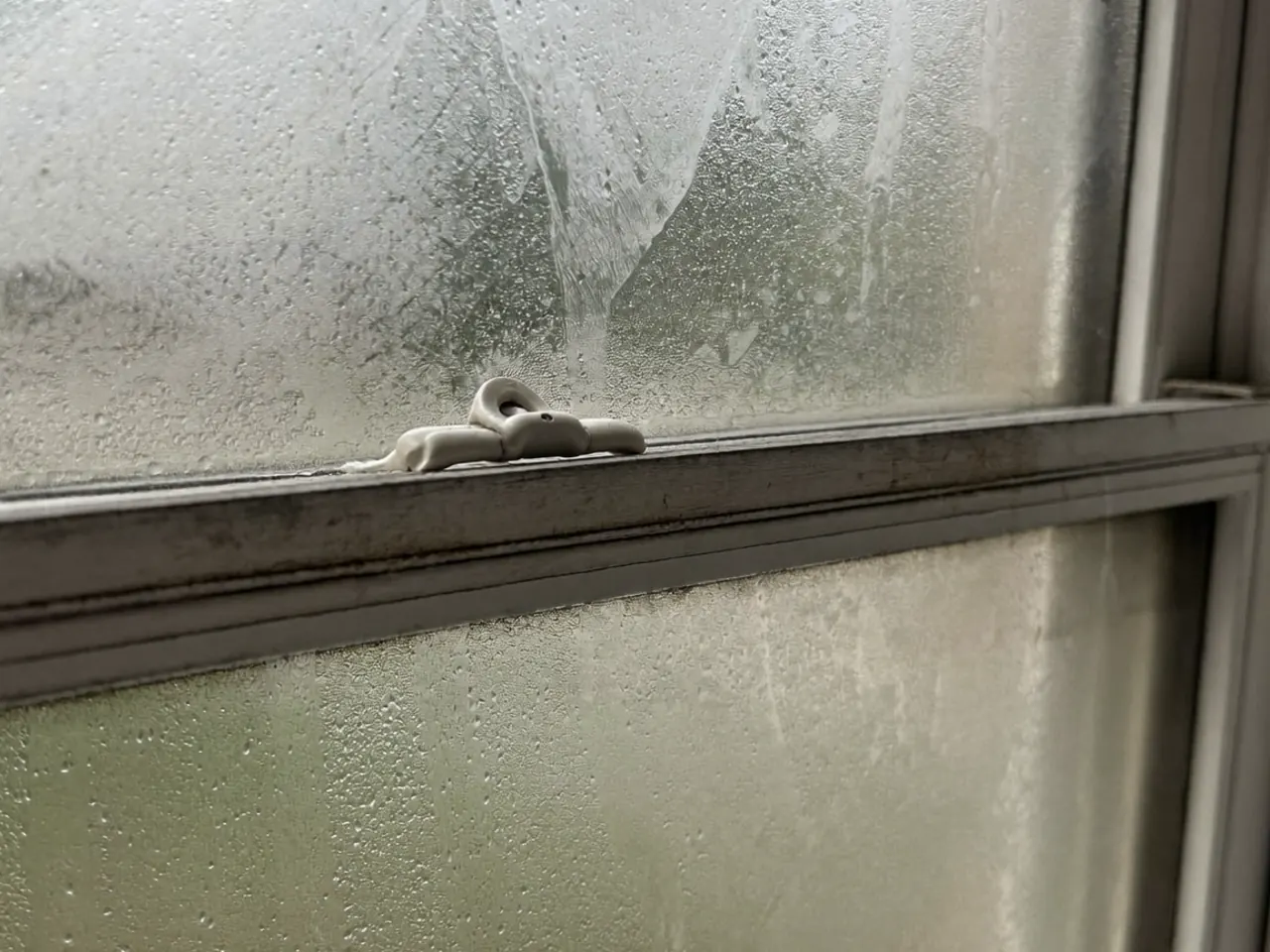
How to reduce surface condensation
- Ventilate. Open trickle vents, use extractor fans in kitchens and bathrooms, and crack a window after showering or cooking.
- Manage moisture. Cover pans while cooking, dry washing outdoors where you can, and keep the lid down on fish tanks.
- Even out the heat. Rooms that swing from cold to warm condense more; steadier background warmth helps.
- Upgrade cold glass. The colder the inner pane, the more it condenses. Warmer, better-insulated glazing keeps the room-side surface above the point where droplets form.

Not sure which kind of condensation you have?
A local installer can look at the glass, the seals and the ventilation and tell you whether it is a household fix or a failed unit — free and with no obligation.
Get my free assessment →When condensation points to replacement
If the moisture is trapped between the panes, or if constant surface condensation is a sign that your glazing is simply too cold and too old, replacement may be the sensible next step. That is a judgement worth making carefully — our guide to repairing or replacing your windows walks through it. Cold glass often goes hand in hand with draughty windows, so it is worth checking both at once.
If you do decide to upgrade, you can explore funded window and door packages, get like-for-like quotes for your existing openings, or browse replacement options for every home. An assessment first means you only spend where it actually helps.
More window help
- Repair or replace your windows? — weigh a repair against a replacement.
- Misted double glazing — when the moisture is inside the sealed unit.
- Draughty windows — cold glass and cold draughts often travel together.
- Window Help home — diagnose any window problem.