Cracked or blown panes: what to do about damaged glass
“Cracked” and “blown” get used interchangeably, but they are two different problems with two different fixes. Knowing which you have — and how urgent it is — is the first step to sorting it without replacing more than you need to.
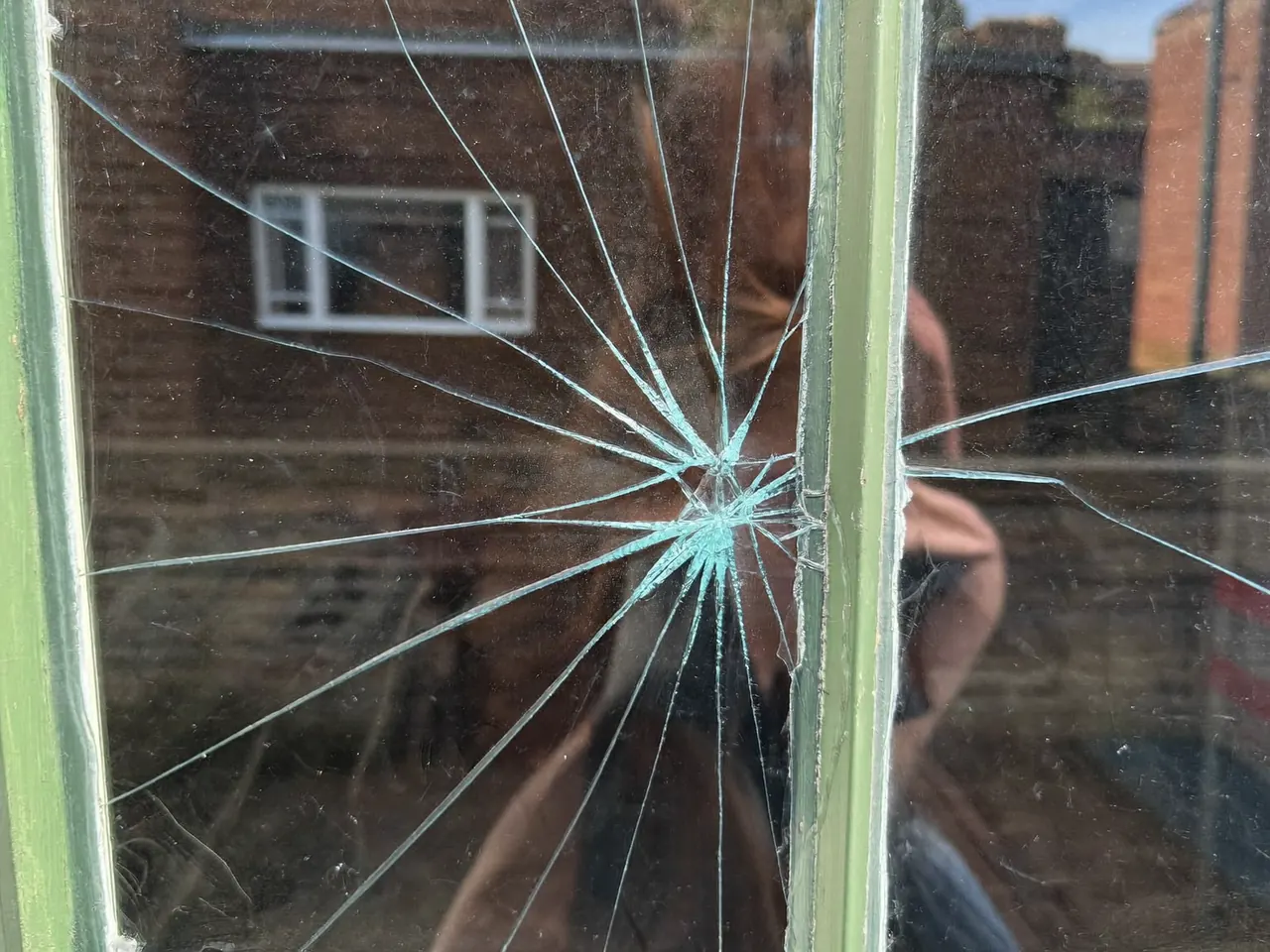
Cracked glass vs blown double glazing
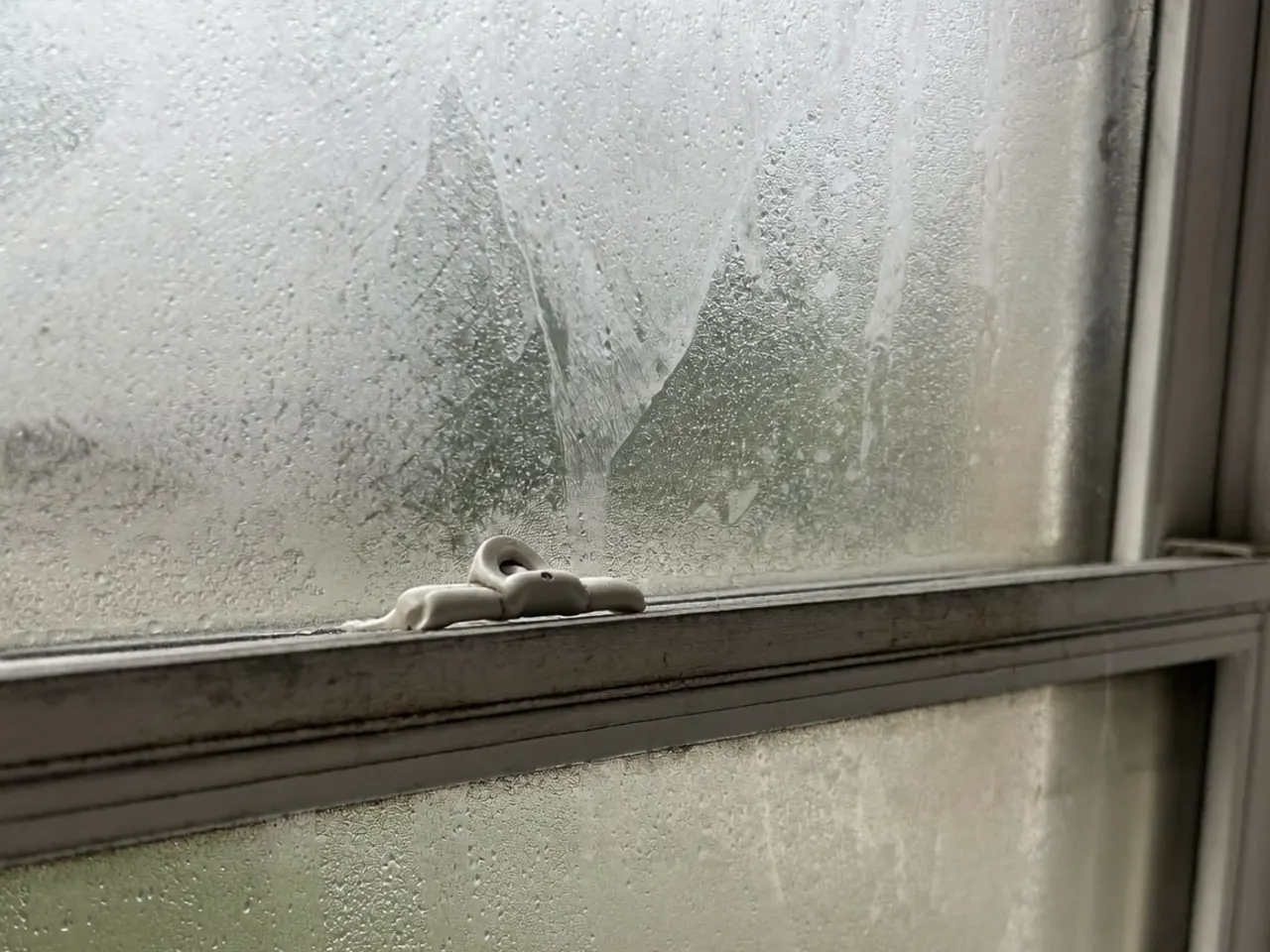
A cracked pane is physical damage to the glass itself — a chip, a star crack or a line running across it, caused by an impact, thermal stress or the frame moving. A blown unit is different: “blown double glazing” usually means the sealed unit has failed and moisture has crept in between the panes, leaving a permanent haze you cannot wipe away. That second problem is the same fault covered in our guide to misted double glazing, and it is worth reading if your glass looks cloudy rather than cracked.
It is easy to confuse a blown unit with ordinary condensation inside windows. The quick test is the same as ever: if you can wipe the moisture away it is surface condensation; if you cannot, it is trapped inside a failed unit.
Is it urgent?
A cracked pane should be looked at promptly. Cracked glass is weaker and can give way, especially in a door or a large pane, and a crack that breaches both panes lets weather and draughts straight in. If glass is loose, badly shattered or in a vulnerable spot, keep people and pets clear and arrange a repair quickly. A blown unit is rarely an emergency — it is a comfort and appearance issue — but it will not fix itself and tends to look worse over time.
Repair or replace?
Here is the good news for both problems: you usually do not need a whole new window. If the frame, hinges and handles are sound, an installer can replace just the affected glass — whether that is a cracked pane or a failed sealed unit — and leave the frame in place. A whole-window replacement only really comes into play when the frame itself is damaged, tired or draughty, or when several units have failed at once. Our guide on repairing or replacing your windows helps you judge where the line sits.
Cracked or blown glass to sort?
A local installer will confirm whether it is a glass-only swap or a bigger job, and how quickly it needs doing — free assessment, no obligation.
Get my free assessment →Getting the right fix
Because glass is a replaceable part, a fitter can measure the opening, match the specification — including toughened or laminated safety glass where it is required — and swap the pane without disturbing the rest of the window. If an assessment shows the frame is past its best too, you can weigh up replacement and compare funded window and door packages, get like-for-like quotes, or browse replacement options for every home.
More window help
- Repair or replace your windows? — the full decision guide, fault by fault.
- Misted double glazing — when the glass is cloudy rather than cracked.
- Condensation inside windows — telling damp air from a failed unit.
- Window Help home — diagnose any window problem.