Draughty windows: how to find the gap and fix it
A cold edge, a whistle on a windy day or a curtain that stirs when everything is shut — draughty windows are a common source of chilly rooms and rising heating bills. The good news is that most draughts trace back to a single worn part rather than the whole window.
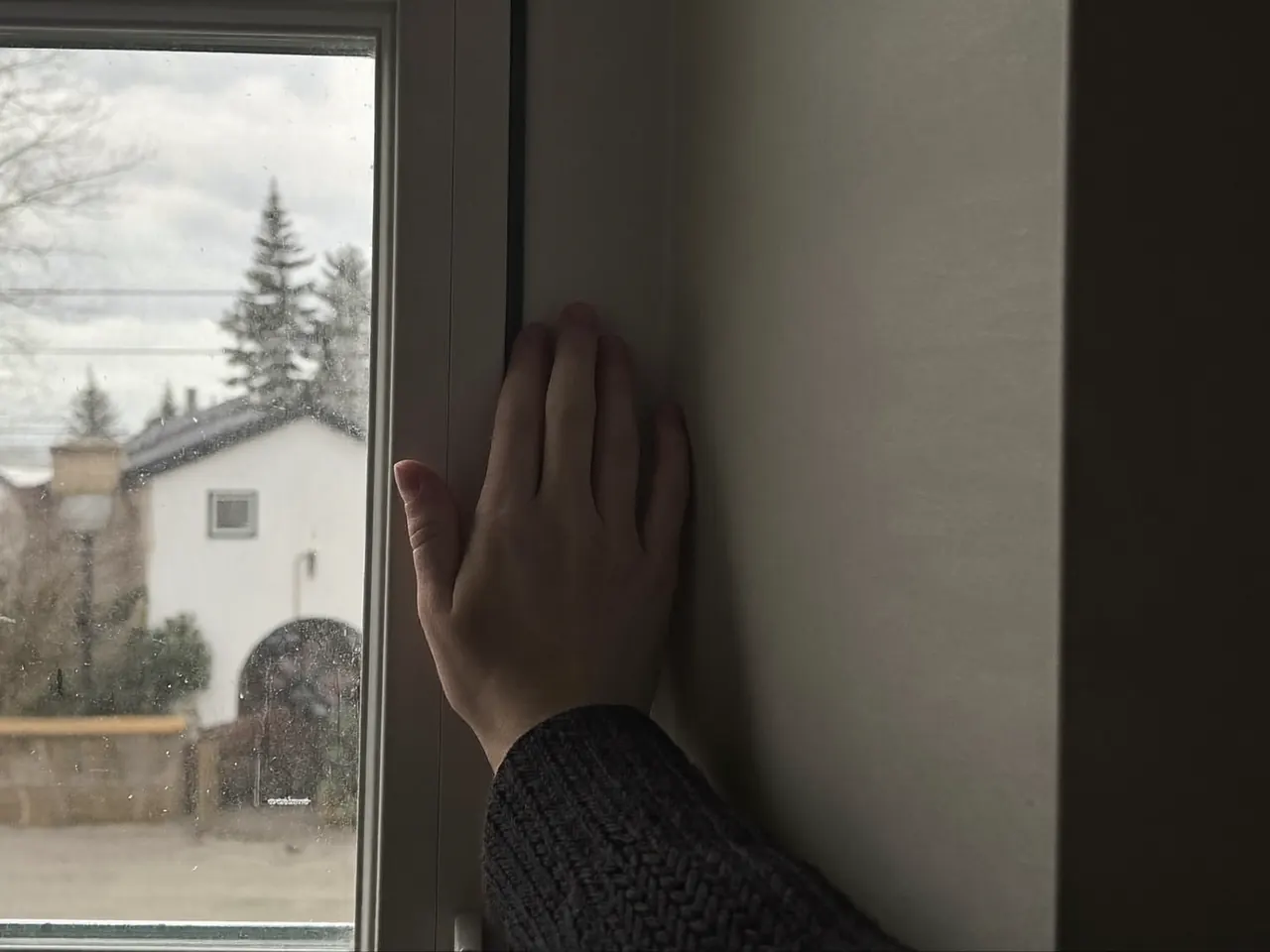
Where draughts come from
Before you can fix a draught you need to find it. On a cold or windy day, close the window fully and run the back of your hand slowly around the frame — along the opening edge, the hinge side, the sill and where the frame meets the wall. A lit candle or a thin tissue held near the gap will flicker where air moves. Most draughts come from one of a few places:
- Perished seals and gaskets. The rubber or brush seal that the opening sash closes against hardens and shrinks over the years, leaving a gap all the way round.
- Worn or dropped hardware. A handle or hinge that no longer pulls the sash tight against the frame — often fixable, as our guide to broken locks, handles and hinges explains.
- Gaps at the wall. Failed mastic or sealant where the frame meets the brickwork or render.
- Tired or warped frames. Frames that have moved so the sash no longer seats squarely.
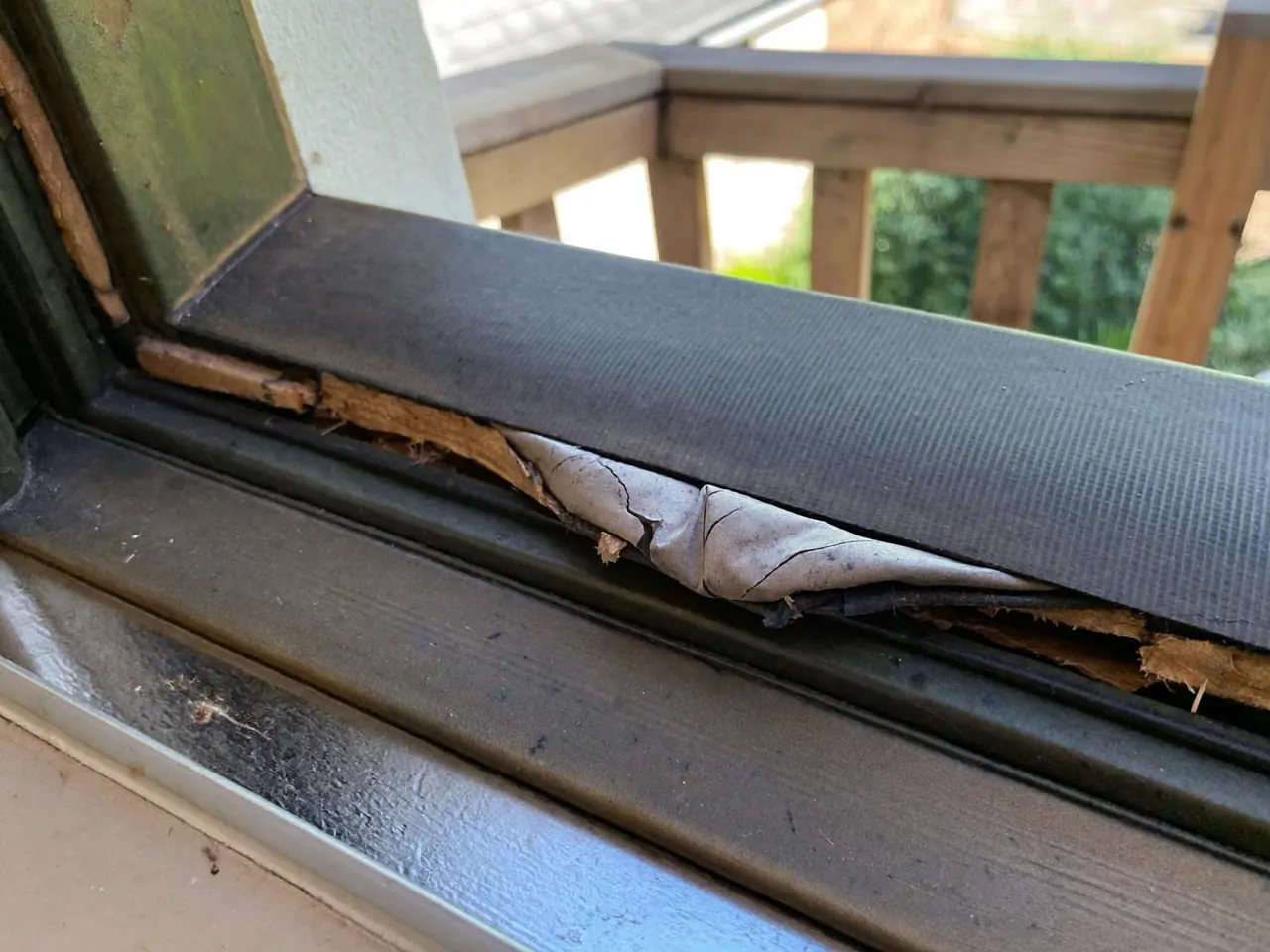
The simple fixes
- Replace the seals. Renewing a perished gasket or fitting new brush or compression seals is inexpensive and often solves the problem completely.
- Adjust the hardware. Many hinges and locking mechanisms can be adjusted so the sash pulls in tighter against the frame.
- Re-seal the perimeter. Raking out old, cracked mastic and re-sealing where the frame meets the wall stops draughts that have nothing to do with the opening part.
- Fit or clear trickle vents. Controlled ventilation is different from an uncontrolled draught — you want the first, not the second.
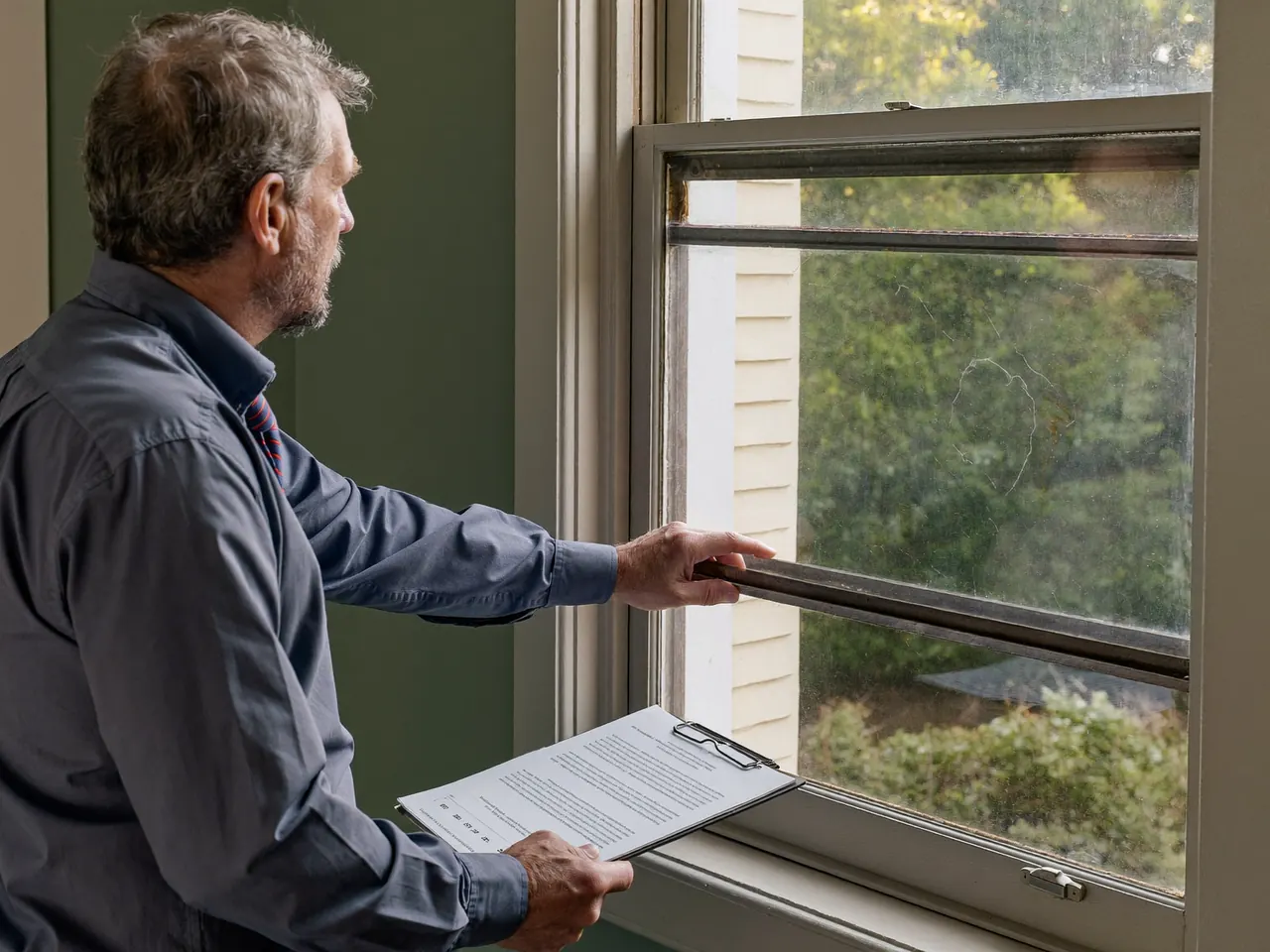
Can’t track down the draught?
A local installer will find where the cold is getting in and tell you whether it is a seal, the hardware or the frame — free, with honest advice and no obligation.
Get my free assessment →When a draught means it is time to replace
Not every draught is a quick fix. If the frames themselves have warped so the sash will not seat, if there is widespread rot in timber frames, or if you are chasing the same draughts around window after window, repairs stop being worthwhile. That is the point where our guide on repairing or replacing your windows can help you decide. According to the Energy Saving Trust, draught-proofing and replacing old, leaky windows can reduce the heat a home loses, though the saving depends on your property.
If replacement is the sensible route, you can compare funded window and door packages, get like-for-like quotes, or look at replacement options for every home — but an assessment first makes sure you are not replacing a window that only needed a new seal.
More window help
- Repair or replace your windows? — the full decision guide, fault by fault.
- Rotten window frames — when soft timber is behind the draught.
- Broken locks, handles & hinges — hardware that no longer pulls tight.
- Window Help home — diagnose any window problem.