Rotten window frames: spot it early and know when to replace
Timber windows can last for generations if they are looked after — but once water gets a foothold, rot can spread quietly behind the paint. Catching it early often means a repair; leaving it can turn a small job into a full replacement.
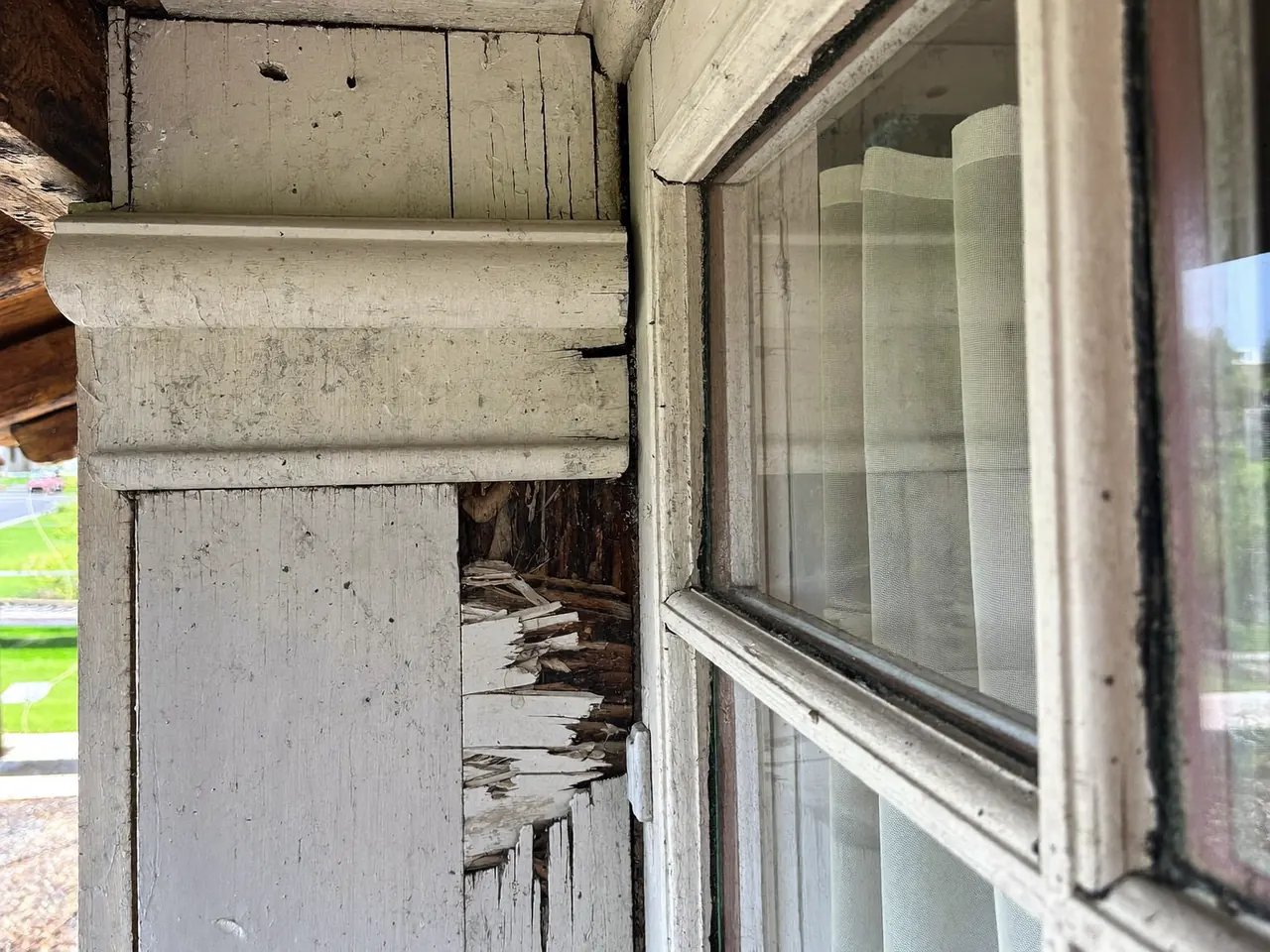
How to spot rotten window frames
Rot is easiest to catch before it shows on the surface. Once a year, press firmly around the timber with a thumb or a blunt tool — especially the bottom rail, the sill and the corner joints, which take the most water. Look and feel for:
- Soft or spongy timber that gives when you press it, rather than staying firm.
- Flaking, blistering or cracked paint, which often hides softening wood underneath.
- Dark staining or a musty, damp smell around the sill and lower corners.
- Gaps opening at the joints, or putty and beading that has come loose.
Persistent condensation inside windows is a common culprit: the water runs down onto the frame and, over time, feeds the rot. Sorting the moisture and the timber together stops the problem coming back.
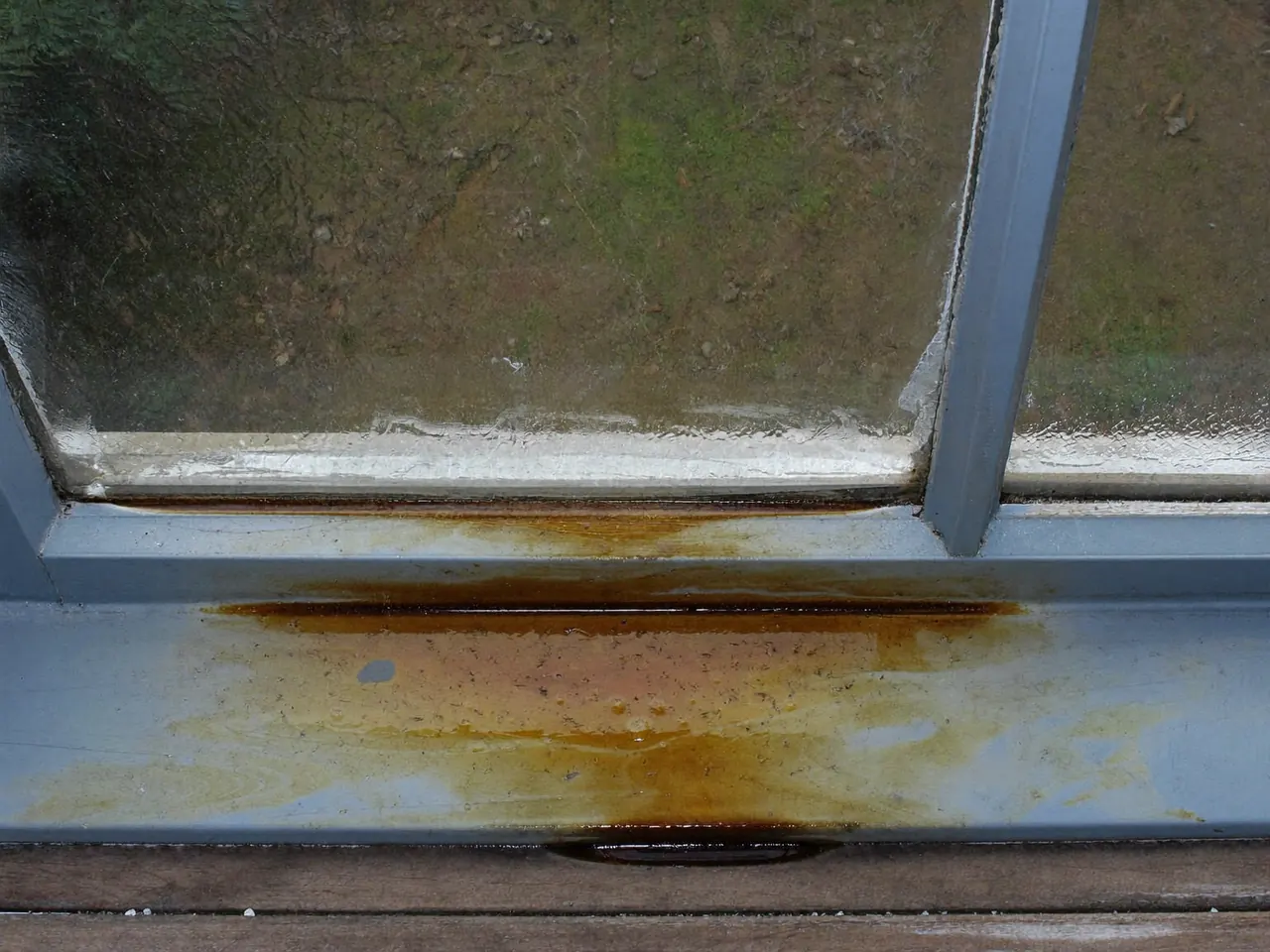
Wet rot, dry rot and surface damage
Not all “rot” is the same. Surface weathering — grey, cracked paint on otherwise firm wood — is cosmetic and can be sanded, filled and repainted. Wet rot is localised decay caused by ongoing damp; if it is caught early and the timber around it is sound, a joiner can cut out the affected section, splice in new wood and repair the joint. Dry rot is more serious: it can spread through timber that is only slightly damp and needs proper treatment. Knowing which you are dealing with is exactly why an in-person look matters.
Is the timber repairable or past saving?
A local installer can test the frames and give you an honest answer — repair the section, or plan a replacement. The assessment is free and there is no obligation.
Get my free assessment →Repair or replace?
If the rot is confined to one corner or a short run of the sill and the rest of the frame is solid, a splice-and-repair is often the cheaper, less disruptive choice. But when the softness is widespread, when several windows are affected, or when frames have moved so they no longer close and lock, replacement usually makes better sense — and widespread rot is one of the clearer signs you need new windows. Our guide to repairing or replacing your windows walks through where the line sits.
If replacement is the answer, you can compare funded window and door packages, get like-for-like quotes that match your existing style, or browse replacement options for every home, including low-maintenance frames that will not rot in the same way.

More window help
- Repair or replace your windows? — the full decision guide, fault by fault.
- Draughty windows — rot and draughts often go together.
- Signs you need new windows — when repairs stop being worth it.
- Window Help home — diagnose any window problem.