Misted double glazing: what causes it and how to fix it
A haze, cloudiness or trapped droplets between the two panes of glass is one of the most common faults we hear about — and one of the most misunderstood. In most cases it points to a single failed component, not a window that has reached the end of its life.
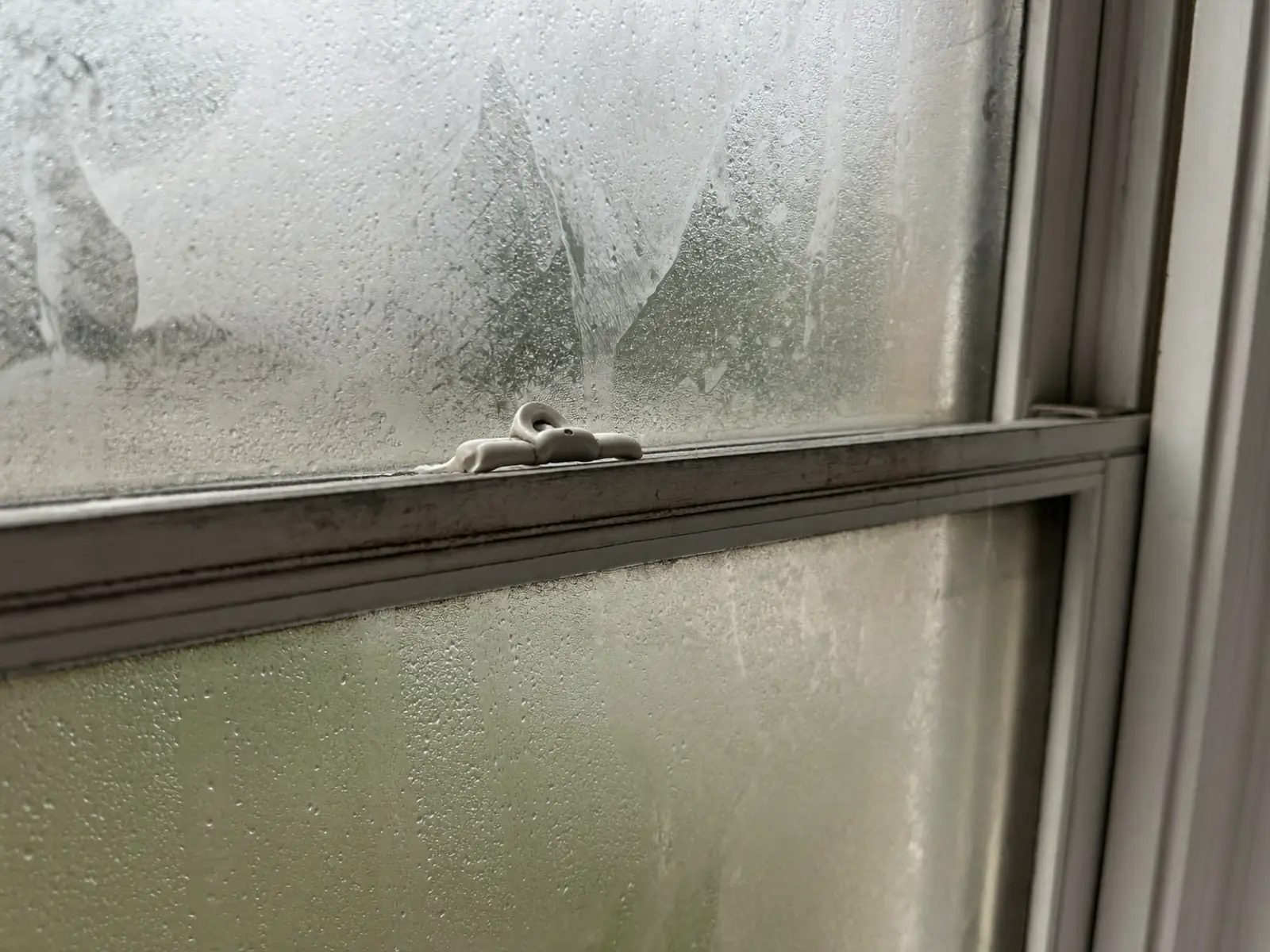
What “misting” actually means
A double-glazed window is really a sealed unit: two panes of glass held apart by a spacer bar, with the gap between them filled with dry air or argon gas and sealed all the way round. A strip of desiccant inside the spacer soaks up any stray moisture and keeps that cavity bone dry. When the perimeter seal starts to fail, humid outdoor air is drawn in and out as the unit warms and cools through the day. Eventually the desiccant saturates, moisture condenses on the inner faces of the glass, and you get that familiar milky bloom — usually worst on cold mornings and in bright, low winter sun.
Because the misting sits between the panes rather than on the room-side surface, no amount of wiping will shift it. That is the clearest sign you are looking at a blown or failed sealed unit rather than ordinary household condensation.
Why sealed units fail
- Age and exposure. Seals gradually degrade, especially on south- and west-facing windows that take the most heat and UV over the years.
- Trapped water. Blocked drainage slots in the frame let rainwater pool against the edge seal, which speeds up the failure.
- Movement and stress. Units knocked or slightly stressed during fitting can fail earlier than expected.
- Early or budget glazing. Very old double glazing used less durable seals and is more prone to misting.

Repair or replace?
Here is the reassuring part: you rarely need a whole new window. If the frame, hinges and handles are in good order, an installer can replace just the failed sealed unit — the glass — and keep your existing frame in place. That is quicker, tidier and far less disruptive than a full replacement. Knowing which way to go is exactly the judgement our guide on whether to repair or replace your windows is built around.
A full window replacement makes more sense when several units have blown at once, when the frames themselves are draughty or tired, or when you are already thinking about upgrading from older glazing to a modern, warmer specification. According to the Energy Saving Trust, replacing older glazing with modern energy-efficient windows can noticeably reduce the heat lost through the glass, though the exact benefit depends on your home and how it is heated.
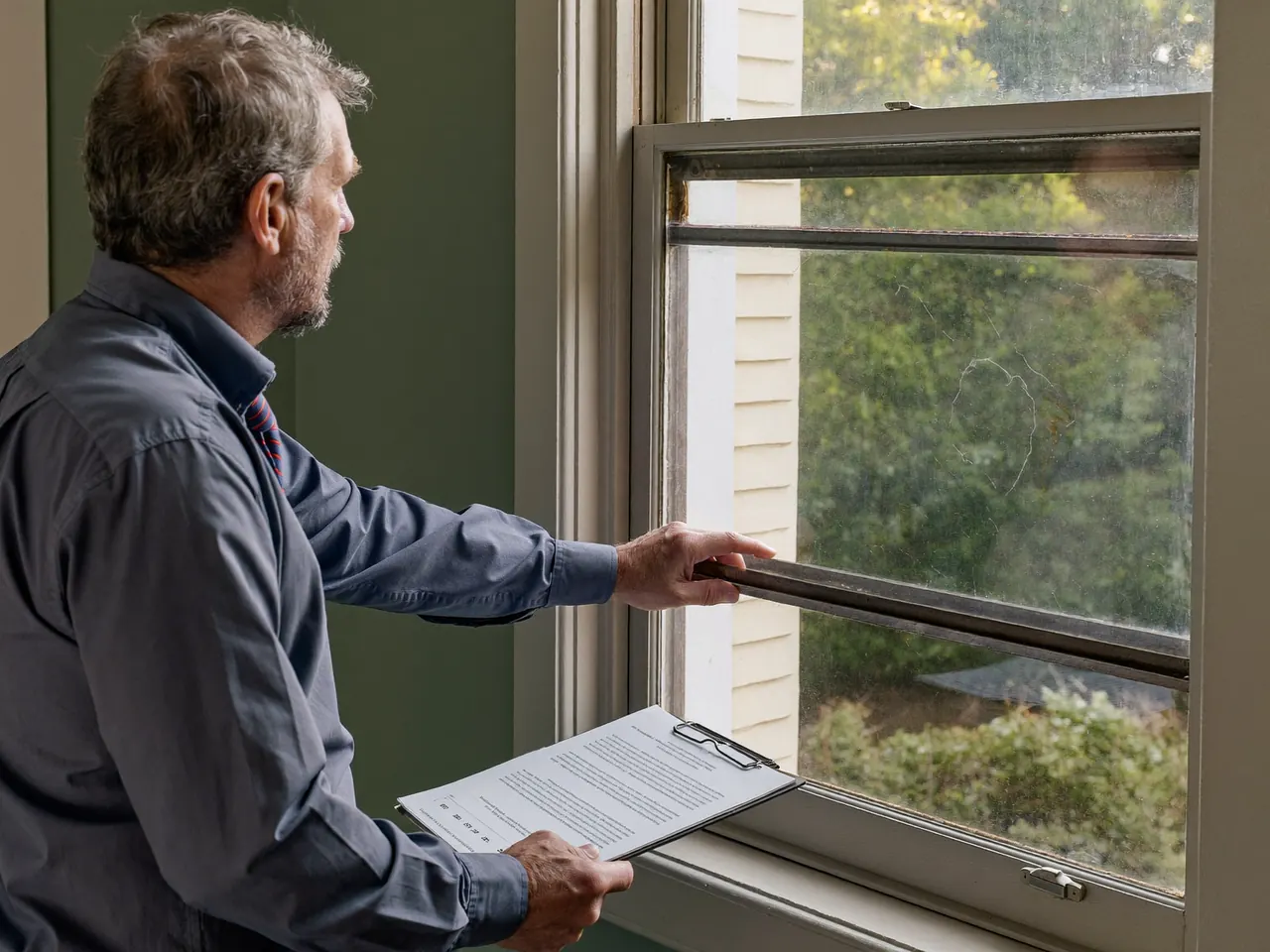
Not sure if it’s a glass swap or a new window?
Get a free, no-obligation assessment from a local installer — honest advice on the smallest fix that will actually solve it.
Get my free assessment →Get it checked properly
Misting can look dramatic while being a simple fix, or look minor while masking a wider issue — for example condensation inside windows that is really surface damp from a steamy room, or a cracked or blown pane that has let water past the seal. The only reliable way to know is to have someone look at the unit, the spacer bar and the frame drainage in person.
That is what a free assessment is for. A local installer will confirm whether it is a sealed-unit swap or a bigger job, and if replacement turns out to be the sensible route you can compare funded window and door packages, get like-for-like quotes or browse replacement options for every home. Any assessment and installation work is carried out by our matched installation partner, rated 4.9 out of 5 on Trustpilot as the UK’s No.1 double glazing installer on Trustpilot.
More window help
- Repair or replace your windows? — the full decision guide, fault by fault.
- Condensation inside windows — surface damp or moisture trapped in the glass?
- Cracked or blown panes — what to do about damaged glass.
- Window Help home — diagnose any window problem.